Cedar Waxwing

Scientific Name: Bombycilla cedrorum

Interesting Info: The Cedar Waxwing is an interesting bird. Flocks can descend on a bush with berries and strip it within minutes, and if the berries have fermented these bird can actually get drunk! The wings have red waxy tips, but their purpose is unknown.

Habitat: Cedar Waxwings can be found in deciduous, coniferous, or mixed woodlands, and prefer to be near streams and rivers.  Cedar Waxwings also live in suburban areas such as city parks, old fields, grasslands, and sage brush areas.

Diet: Cedar Waxwings eat mostly berries, and sometimes maple sap. In summer they als0 eat insects that they often catch while flying. Cedar Waxwings eat a variety of insects including mayflies, dragonflies, and stone flies. Fledglings eat mainly insects. Cedar Waxwings also eat service berry, strawberry, mulberry, dogwood, and raspberries in the summer. During winter they eat mistletoe, madrone, juniper, mountain ash, honeysuckle, crab apple, and hawthorn.

Nesting: Cedar Waxwings nest from June to September. The nest is built mostly by the female. She weaves materials including twigs, grasses, cattail down, strings, and horse hair into a bulky cup about 5 inches across and 3 inches high. The nest is lined with pine needles, rootlets, and fine grasses, and construction takes 5 to 6 days. Cedar Waxwings lay 2 to 6 white eggs with black spots. The female incubates the eggs for 12 to 16 days.

Description/field marks: Cedar Waxwings are beautiful birds, and have distinctive markings. Cedar Waxwings have black lines going across the face, starting at the bill, going up across their eyes, and ending in a point right behind the eye. The Cedar Waxwing has a crest and is grayish brown on the wings, back, and head. On the under side it is brownish yellow, and there is a bit of white. On the tips of the wings there are small red waxy tips, but from a distance they are not always visible. The end of the tail is yellow.

How to attract: To attract Cedar Waxwings, plant trees with the berries that these waxwings eat or put out fruit. There are many berry producing trees and shrubs that would look good in your garden such as dogwood. Cedar Waxwings are not shy, and will most likely be eating berries off your trees or shrubs soon.
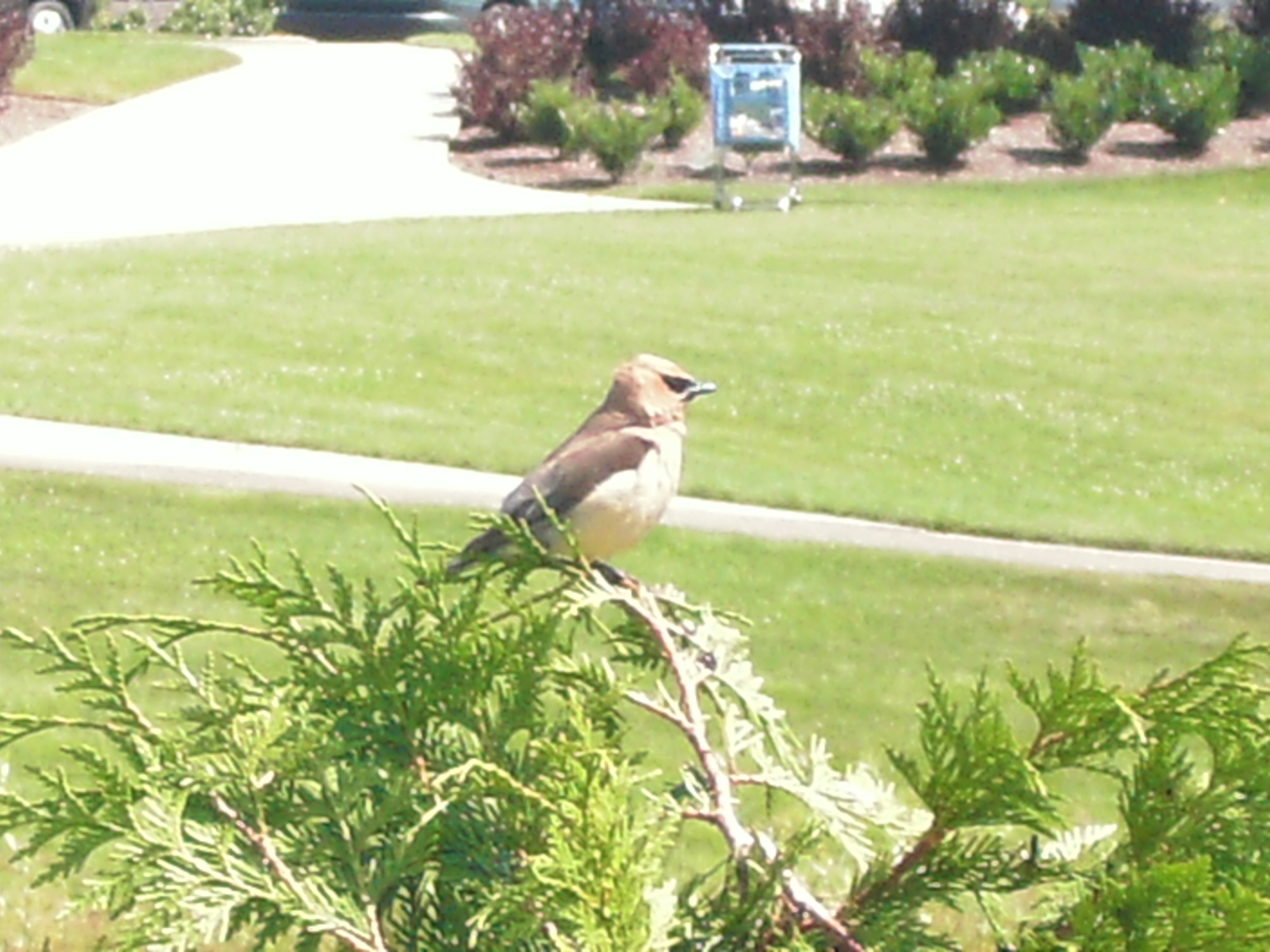
Cedar Waxwing
Cedar Waxwing


Posted in Waxwings

Black-Headed Grosbeak

Scientific Name: Pheycticus melanocephalus

Sound: The Black-Headed Grosbeak has a beautiful voice. It sounds somewhat like a robin, but it doesn’t follow an exact pattern. It is warbily at times, and sounds very flutelike. The notes are sung with short pauses in between, and they ascend and descend quickly.

Diet: Black-Headed Grosbeaks eat a variety of foods. In the winter they mostly eat seeds, but these birds can also eat monarch butterflies. Most birds can not eat these butterflies because monarch butterflies eat milk weed, which makes toxins gather. During the breeding season they eat insects, spiders, snails, berries, and fruit.

Habitat: Black-Headed Grosbeaks breed in deciduous or mixed woodland. They especially like brushy areas around water. Black-Headed Grosbeaks can also be found in suburban and wetland habitats.

Nesting: Female Black-Headed Grosbeaks build the nest. It is constructed of rootlets, pine needles, and plant stems, and lined with hair, rootlets, and string. It is placed in the outer branches of an alder, big leaf maple, small willow, cotton wood, or other broad leaf tree.

Description/field marks: Black-Headed Grosbeaks are spectacular birds. The males are bright orange or yellow on the underside and in a ring around the neck. The back, tail, and wings are black, with white speckles and spots on the wings. The head, as you might guess from the name, is black. The female has duller colors, but the marking are beautiful. Unlike the male, female have light and dark stripes on their heads. The back, tail, and wings are more of a brown color than black, and the underside is a duller orange or yellow. Other than that the male and female look the same. They both have large bills for cracking seeds, like all grosbeaks.

How to attract: To attract Black-Headed Grosbeaks to your yard, you can put out fruit or seed, and they will come. Serve fruit on a platform feeder with other fruit, and seed in practically any feeder. Black-Headed Grosbeaks can also be attracted by a suet feeder. Another thing that works for all birds is a birdbath. Every bird needs to bath and drink once a day.

Posted in finches

Western Tanager

Scientific Name: Piranga lodoviciana

Habitat: Western Tanagers range in much of western north America. They can be found in conifer or mixed forests, but during migration Western Tanagers can be found many other places as well including suburban yards, orchards, grasslands, and shrub steppe.

Diet: Western Tanagers eat mostly insects, but during the winter they eat many fruits and berries. Western Tanagers will come to fruit feeders for orange halves and other fruit.

Nesting: Western Tanagers nest from May to June. The nest is an open cup made of bark strips, twigs, grasses, and rootlets. It is lined with hair and grass. Western Tanagers place their nest in the upper branches far out from the trunk of the tree. One to five bluish green eggs are laid, and incubated by the female for about thirteen days.

Description/field marks: Western Tanagers are very colorful birds. The males have bright red heads, yellow undersides, and black wings. On the wings there is a on streak of yellow, and a few spots of white. Females are less bright, but are still beautiful birds. On the back and wings the females are a yellowish green, and the underside and head are greenish yellow. On both the male and female the bill is a pinkish-grayish color, and the eyes are black.

How to attract: If you want to attract a Western Tanager try a couple things, and soon you might just see one in your own backyard. Western Tanagers are attracted to running water so one thing to do is buy, or build, a bird bath. This can attract a lot of birds other than Western Tanagers as well, so it can’t hurt anything. Another way to attract Western Tanagers is by putting out fruit. Western Tanagers will eat orange halves, and other dried fruit as well. You can skewer orange halves on the branches of trees, or just put them on a platform feeder with other fruit.

Posted in tanagers

Downy Woodpecker

Scientific Name: Picoides pubescens

How to attract: Downy Woodpeckers are one of the three most common woodpeckers to visit yards and bird feeders. They can be attracted by black oil sunflower seed feeders and suet feeders, and  sometimes Downy Woodpeckers will even drink hummingbird nectar from hummingbird feeders.

Diet: These woodpeckers mainly eat insects such as beetle larvae, ants, and caterpillars. Downy Woodpeckers also eat pests, like tent caterpillars, apple borers, corn earworm, and bark beetles.

Habitat: Downy Woodpeckers live in open woodlands. They especially like deciduous forests, and also can be found in orchards, parks, and suburbs. Don’t be surprised if you see one in your backyard, because Downy Woodpeckers don’t mind living around people.

Range: Downy Woodpeckers can be found in all of Washington and across most of the U.S. and Canada year round.

Nesting:Nesting occurs from April to June. Downy Woodpeckers lay 4 or 5 completely white eggs in a cavity excavated by the male and female. The excavation is 6 to 12 inches deep, and lined only with wood chips. The eggs are incubated for about 12 days. Downy Woodpeckers place their nests in dead trees or branches, and the tree they pick is usually deciduous.

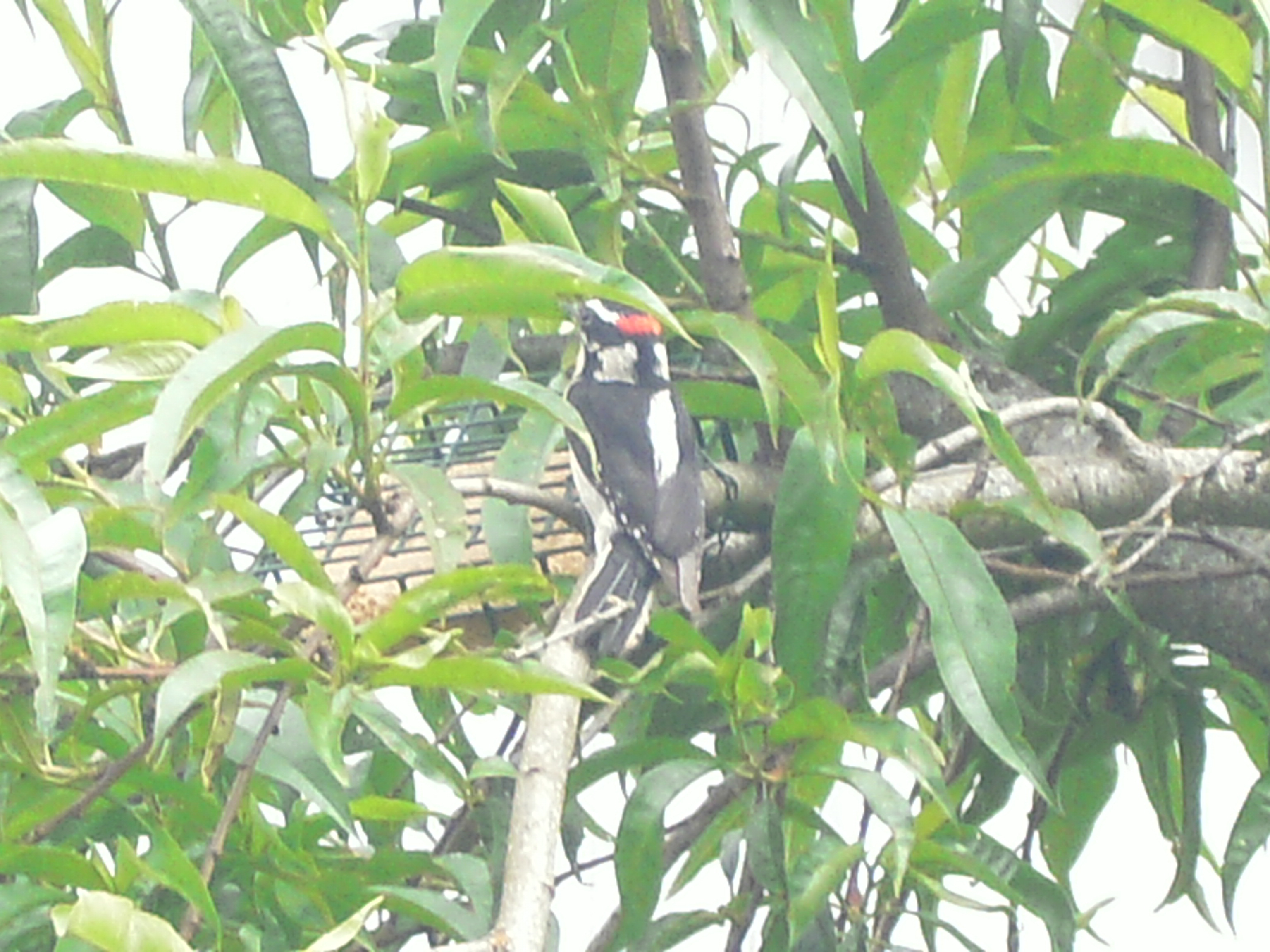
Description/field marks:Downy Woodpeckers are pretty much all black and white. Downy Woodpeckers have white bellies and black wings with white speckles on them. On the back in between the wings there is a line of white. Male Downy Woodpeckers have red patches on the backs of their heads, but females do not. Hairy Woodpeckers look almost the same, but if you look closely it isn’t too hard to tell the Downy and Hairy Woodpeckers apart. Hairy Woodpeckers have longer bills than Downys do, and on the white outer tail feathers of a Downy Woodpecker there are two small black line markings which the Hairy Woodpecker lacks.

adult male downy woodpecker

Adult Male Downy Woodpecker

Posted in woodpeckers

Mourning Dove

Scientific name: Zenaida macroura

Habitat/sound: Mourning Doves are common across most of North America. They mainly live in open country with scattered trees. Mourning Doves are also common in suburban habitats. If you listen you will probably be able to hear the soft mournful coo that Mourning Doves make.

Diet: Mourning Doves eat mostly seeds. In fact, 99% of their diet consists of seeds. They eat cultivated grain, peanuts, grasses, weeds, herbs, and sometimes berries. Mourning Doves also sometimes eat snails.

Nesting: The nest is made of pine needles, twigs, and grass stems. It is about 8 inches across. Mourning Doves lay only 2 eggs, but they can have up to six broods a year. Incubation lasts for 14 days. Mourning Doves don’t mind nesting near people–they may nest in gutters, eves, or unused equipment.

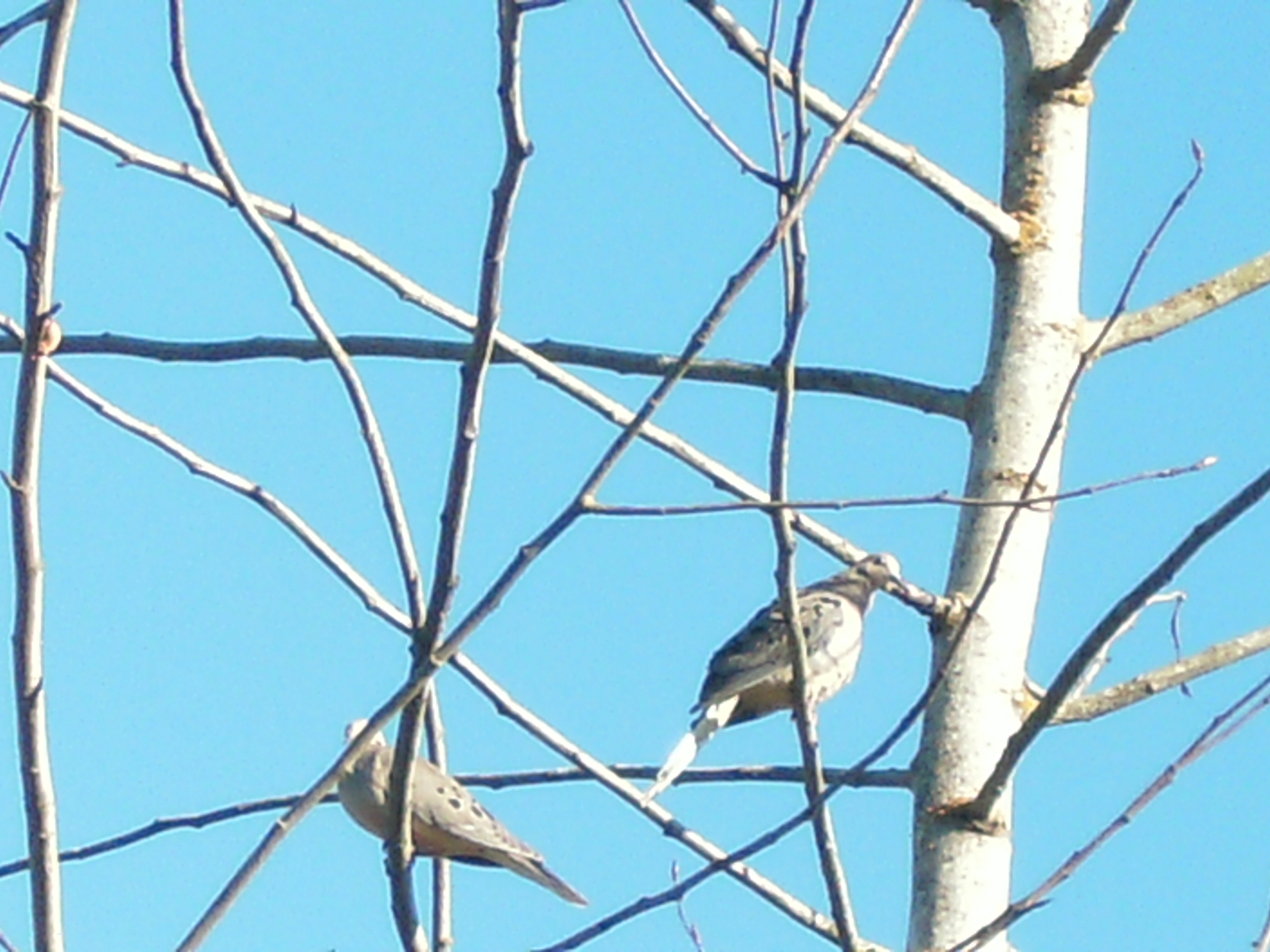
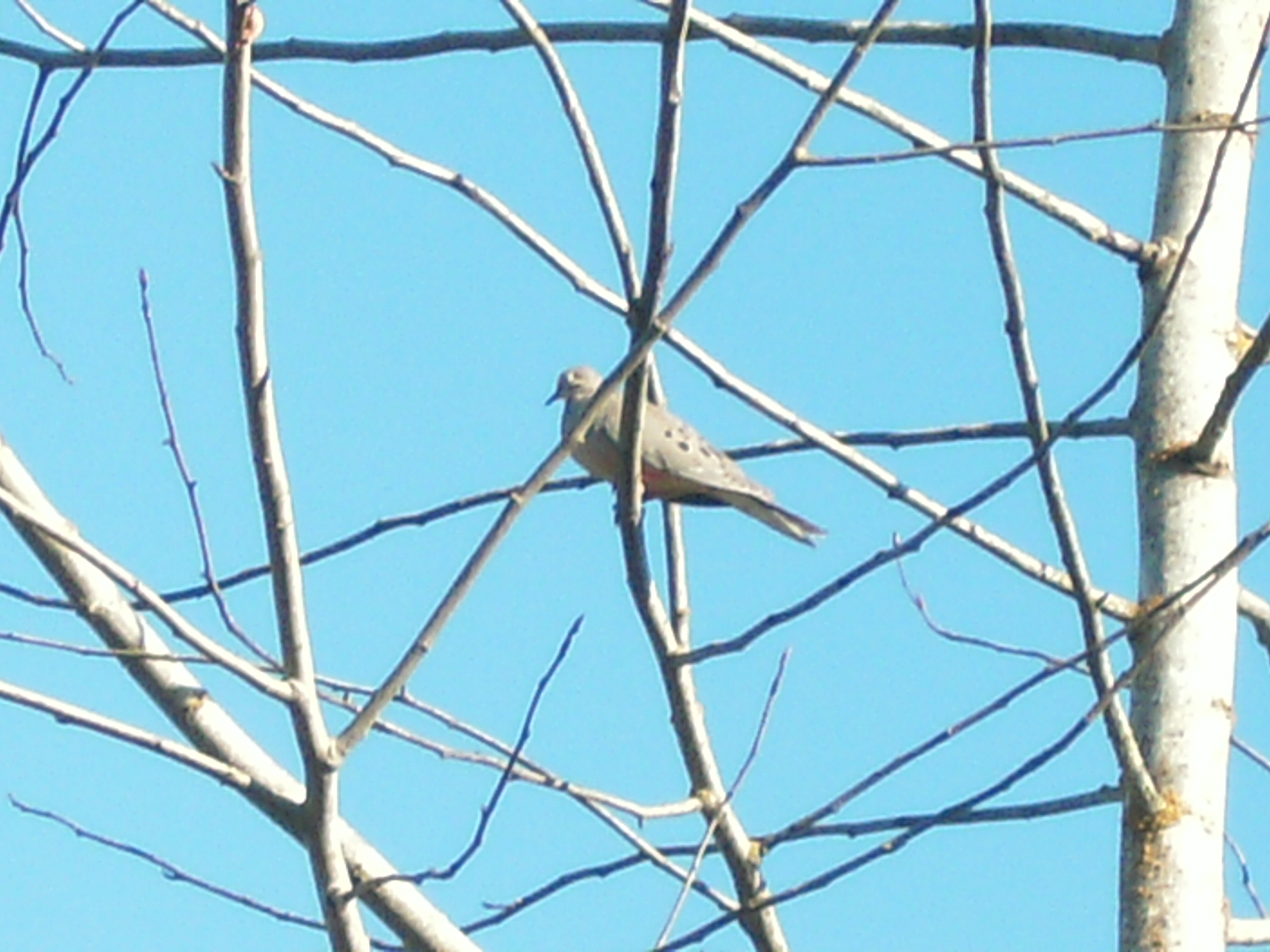
Description/field marks: Mourning Doves are about 12 inches long. They are brown, with black spots on the lower wings. There is a solitary black spot on its slender neck. Mourning Doves have small heads, and a white eye-ring. The eyes are black. Mourning Doves have long tails ending in points,and the bill is black.

MOurning Dove

Posted in pigeons and doves

Bushtit

Scientific Name: Psaltriparus minimus

Description/field marks: Bushtits are tiny birds, and they are only about two to four 1/2 inches long.They are very plain looking. Bushtits are gray-brown all over. Female Bushtits have light cream colored eyes, and the males have dark eyes.

Habitat: Bushtits live in mixed coniferous and deciduous woodlands, suburban areas,  city parks, pastures, orchards, wetlands, and scrubby areas.

Diet: Bushtits eat mainly insects and spiders, but also eat some berries and seeds.

Nesting: A Bushtit nest is truly a work of art. It is  gourd shaped, and 6 to 12 inches long. On the side at the top there is a circular entrance hole. The nest is woven of spider webs, moss, lichen, and other plant material. It is lined with down, feathers, and fur. There are four to ten white and smooth eggs.

Sound: The Bushtit’s call is a squeaky flute-like spre-e-e call.

Behavior: Bushtits travel in large flocks of about 10 to 20 birds, and they are very acrobatic when they forage.

How To Attract: To attract Bushtits with food put up a suet feeder, and Bushtits will readily come.

Posted in chickadees, nuthatches, and allies

Killdeer

Scientific Name: Charadrius vociferus

Diet: Killdeer eat a variety of invertebrates. They eat earthworms, snails, crayfish, grasshoppers, and beetles. Sometimes Killdeer eat seed, but their main diet is invertebrates.

Habitat: The Killdeer is a shorebird, but you can find it in dry places as well as around water. Killdeer live on mudflats and sandbars. They also live in towns though–Killdeer have been known to nest in gravel in the middle of town in round-a-bouts. Killdeer can be found on lawns, athletic fields, and driveways and in city parks.

Range: Killdeer can be found through much of Washington year-round, but at the far eastern edge they can only be found during the breeding season. They also live year-round in the western and southern U.S., and during the breeding season they live in the mid-northern and north-eastern U.S.

Sound: The Killdeer’s calls include a many variations of something that sounds like killdeer! The flight call is a quick, repeated killdeer!killdeer!killdeer!. Killdeer are named for their calls.

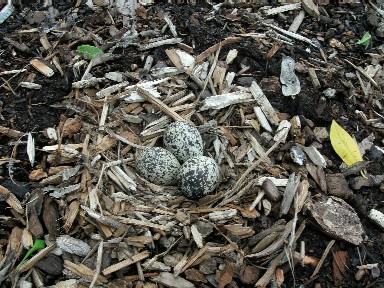
Nesting: The Killdeer’s nest isn’t fancy. All it is is a small depression about three inches across. They scrape the depression in wood chips or gravel. The nest is often in the open, but all the same the eggs are well concealed. You can barely tell they are eggs, because they look like rocks.  At the large end the egg is heavily speckled, and the speckling thins as it goes up the egg. There are three to six eggs in a clutch, and incubation lasts twenty-two to twenty-eight days.

Behavior: While foraging Killdeer are often seen running and walking along the ground and probing with their bills into the mud or grass. If an intruder comes to close to a Killdeer’s nest the Killdeer will pretend it has a broken wing, so the predator will be lured away from the nest and toward the Killdeer. When the predator is far enough from the nest the Killdeer will get up and fly away.

Description/field marks: The Killdeer is a beautiful bird. It has two black bands on the breast. Killdeer are brown above and white below. The bird you would most likely confuse it with is the Semipalmated Plover. This shorebird has only one breast band. The Killdeer has a white stripe above its eye, and the Semipalmated Plover does not.

Killdeer Nest

Killdeer Nest

Posted in shorebirds

Northern Flicker

Scientific Name: Colaptes auratus

Habitat: The Northern Flicker is a woodpecker ranging all across North America. This bird lives in most forests in North America. Northern Flickers are not rare at all, and are a common sight in suburban areas that have some trees around. If you get out your binoculars and go to a wooded park you’ll probably find one.

Sound: The Northern Flicker’s call is a loud keer! keer! keer! or clear and rapid cuh-cuh-cuh-cuh-cuh-cuh!

Diet: Northern Flickers eat a variety of foods. They eat nuts, suet, seeds, small fruits, and primarily insects. Just ants make up 45% of a Northern Flicker’s diet. Flickers are the only woodpeckers that commonly feed on the ground, which they do because of their liking for ants.

Nesting: Northern Flickers are cavity nesters. They usually place their nests in dead tree trunks. They lay 5 to 8 eggs and incubate them for approximately 11 days. The eggs are white.

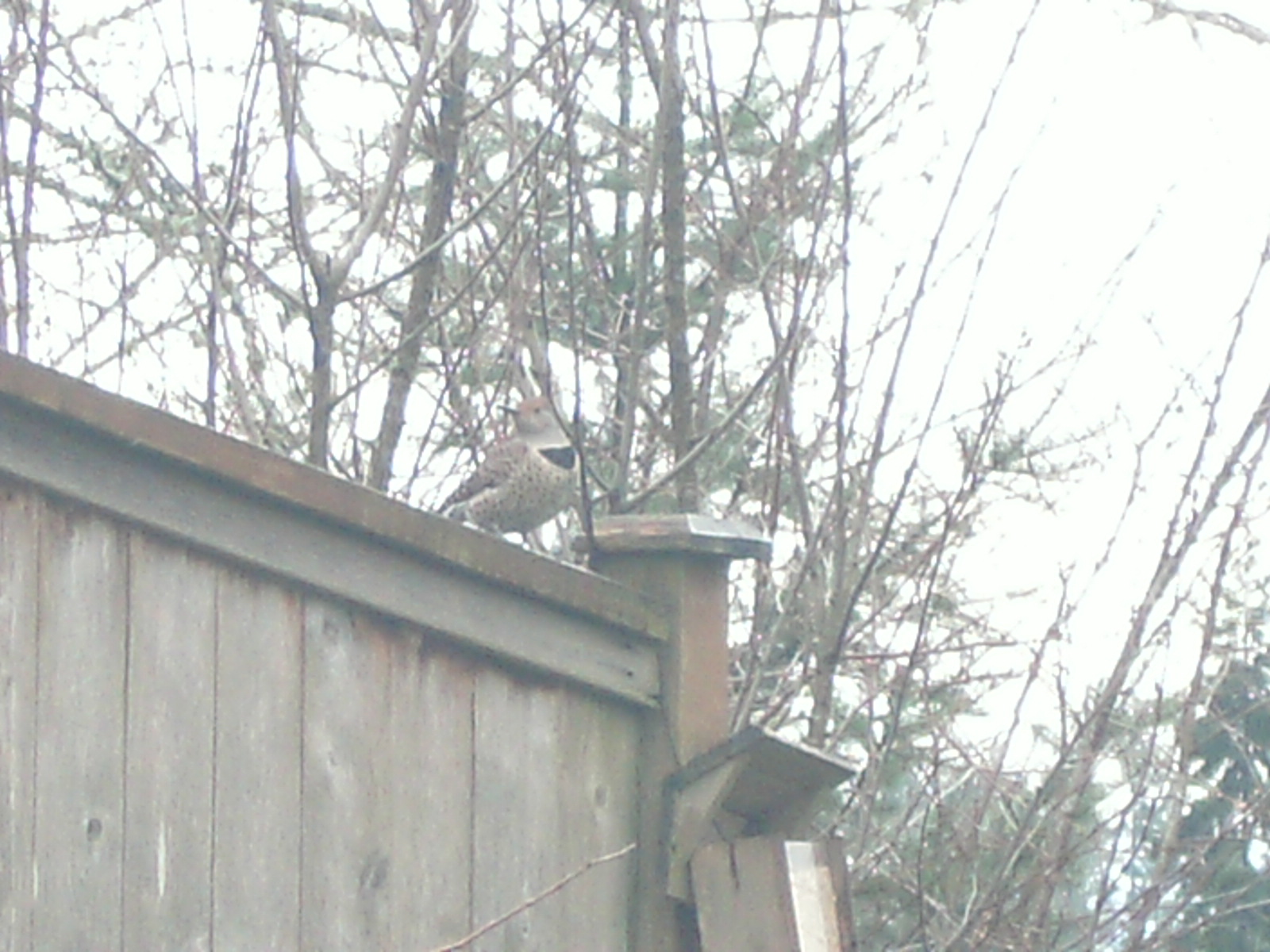
Description/field marks: These birds have distinctive color patterns. Adult males and females have a prominent black half moon bib, a dotted underside, and horizontal black stripes on a brown back. The adult male also has a red patch on its cheek which the female lacks. The Northern Flicker is about 12 inches long and is a large woodpecker.

Forms: This woodpecker has two forms: yellow shafted and red shafted. The yellow shafted form ranges in the east, and has yellow on the undersides of its wings that show when it flies. The yellow shafted form also has black mustache marks on its cheeks. The red shafted form lives in the west, and has red on the underside of its wings. It also has red mustache marks on its cheeks. The gilded flicker, a similar species, ranges in the southwest, and has yellow on the underside of its wings. It also has red mustache marks on its cheeks like the red-shafted form.
How To Attract: To attract Northern Flickers, put out a seed feeder or a suet feeder. Northern Flickers eat ants, so if there are ants in your yard, you may also get a Northern Flicker.

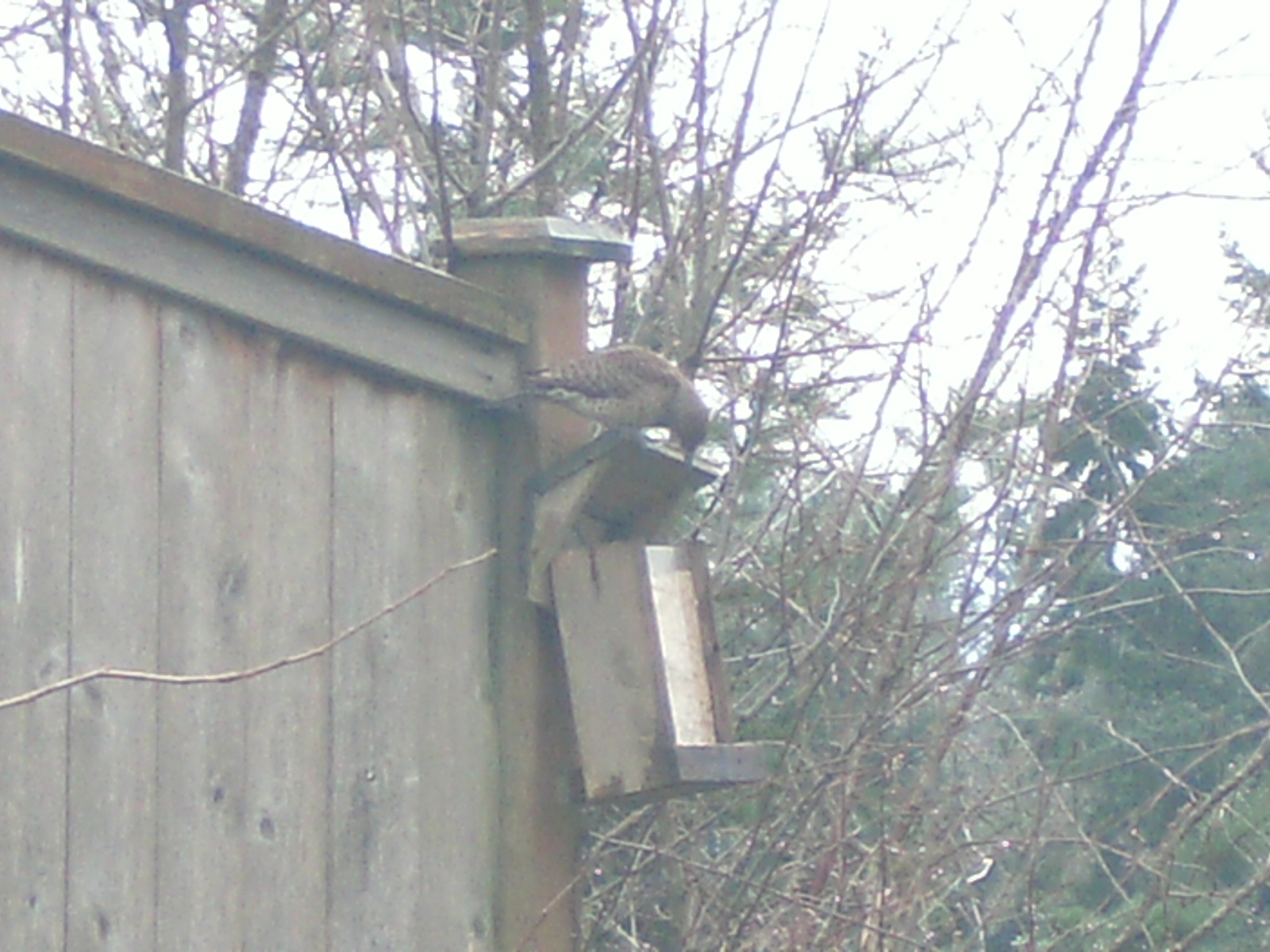
Northern Flicker at seed feeder

Northern Flicker

Northern Flicker

Northern Flicker

Posted in woodpeckers

Black-Capped Chickadee

Scientific Name: Parus atricapillus

Diet: Black-Capped Chickadees eat berries, bugs, suet, and seeds, especially sunflower seeds in feeders.

Behavior: The Black-Capped Chickadee is an active, curios, and beautiful bird. You can watch them hop, jump, and scurry along in trees as they hunt for insects to eat. They are very acrobatic and they often hang upside-down when foraging.

Habitat: You can find the Black-Capped Chickadee at forest edges of deciduous or mixed woodlands. If you put a feeder outside you will soon be able to find them in your own backyard! The Black-Capped Chickadee is common across much of northern north America, and fairly easy to attract with a feeder.

Sound: The Black-Capped Chickadee’s most common call is a gruff chick-a-dee-dee-dee!, this chickadee also makes a high whistled note sounding something like fee-bee.

Nesting: Nesting occurs from April to July. The female picks out the site — a nest box,  natural cavity, or abandoned Downy Woodpecker hole. These chickadees also often excavate their own cavities. Incubation lasts for 12-13 days. The eggs are white with fine red-brown spots, and when the chicks first hatch they are naked except for 6 small spots of down on the head and back. The clutch has 1-13 eggs.

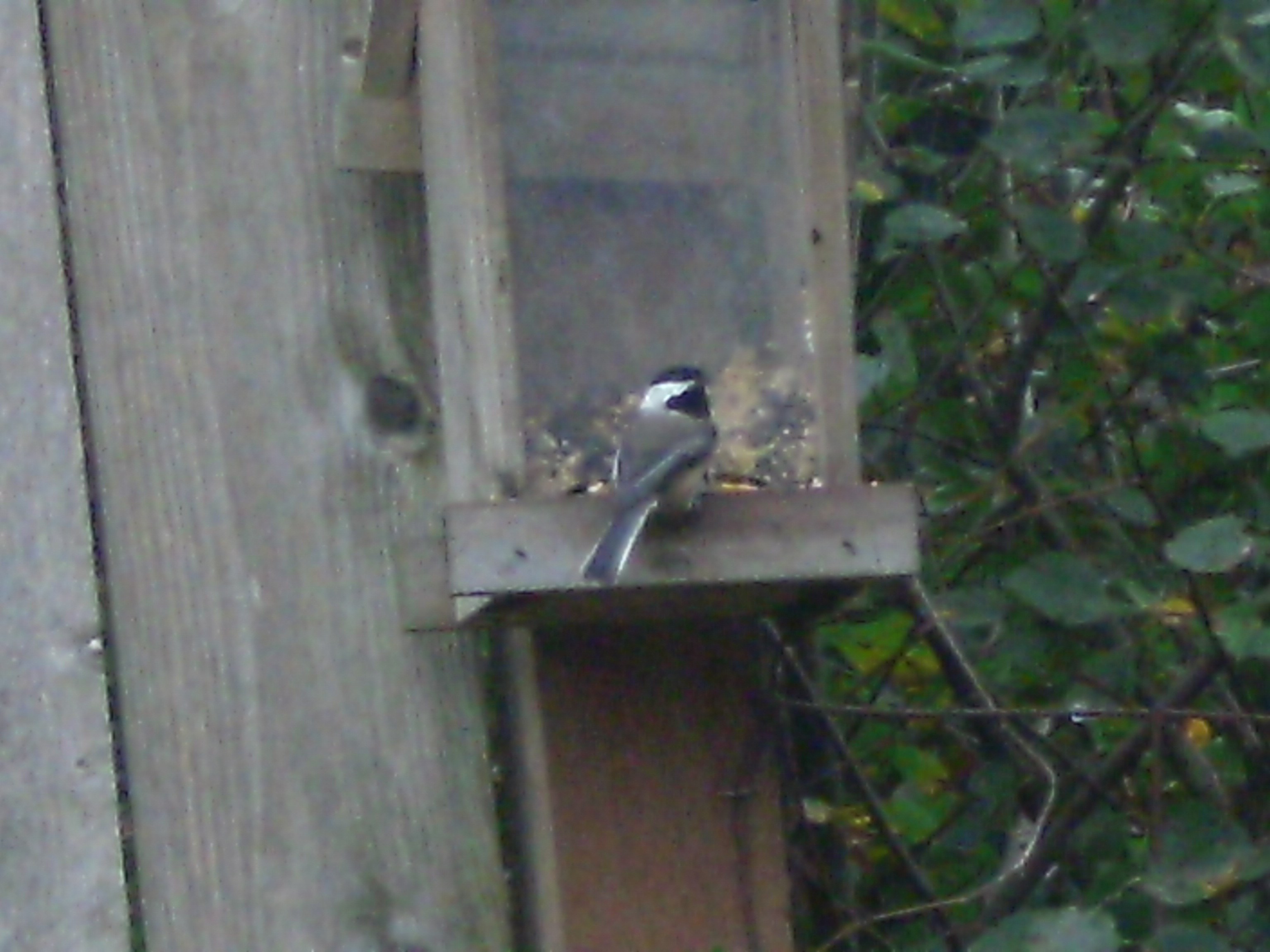
Description/field marks: Black-Capped Chickadees are brownish gray on the back, tail, and wings, and have beige flanks. The underside is white, and, as the name suggests, Black-Capped Chickadees have black caps. Black-Capped Chickadees also a have  black throats, and the cheeks are white.

How to attract: To attract Black-Capped Chickadees put out seed and suet feeders. Black-Capped Chickadees will take sunflower seeds, peanut butter, and peanuts. Black-Capped Chickadees will also come to a mealworm feeder.

black-capped chickadee at seed feeder

Black-Capped Chickadee

Posted in chickadees, nuthatches, and allies

Birds I Have Seen

Sparrows

  • Dark-Eyed Junco (Oregon Form)
  • Fox Sparrow 
  • Song Sparrow
  • House Sparrow
  • White-Crowned Sparrow
  • Golden-Crowned Sparrow
  • Harris’s Sparrow
  • Savannah Sparrow
  • California Towhee
  • Spotted Towhee

Finches

  • House Finch
  • American Goldfinch
  • Pine Siskin
  • Red Crossbill
  • Evening Grosbeak
  • Black-Headed Grosbeak

Blackbirds

  • Brewer’s Blackbird
  • Red-Winged Blackbird
  • Brown-Headed Cowbird

Pigeons and Doves

  • Rock Pigeon
  • Eurasion Collared-Dove
  • Mourning Dove
  • Band-Tailed Pigeon

Parrots

  • Yellow-Cheveroned Parakeet

Woodpeckers

  • Northern Flicker (Red-Shafted Form)
  • Red-Breasted Sapsucker
  • Downy Woodpecker
  • Hairy Woodpecker
  • Acorn Woodpecker
  • Pileated Woodpecker

Thrushes

  • American Robin
  • Swainson’s Thrush
  • Hermit Thrush
  • Varied Thrush

Silky Fly-catchers

  • Cedar Waxwing

Tanagers

  • Western Tanager

Flycatchers

  • Pacific-Slope Flycatcher
  • Olive-Sided Flycatcher
  • Willow Flycatcher
  • Western Wood-pewee
  • Black Phoebe

Mimic Thrushes and Starlings

  • European Starling
  • Northern Mockingbird
  • Curve-billed Thrasher

Chickadees, Titmice, Creepers, and Nuthatches

  • Black-Capped Chickadee
  • Chestnut-Backed Chickadee
  • Tufted Titmouse
  • Red-Breasted Nuthatch
  • White-Breasted Nuthatch
  • Brown Creeper
  • Bushtit

Wrens

  • Bewick’s Wren
  • Carolina Wren
  • Marsh Wren
  • Winter Wren
  • Cactus Wren

Bulbuls

  • Red-Whiskered Bulbul

Owls

  • Great Horned Owl
  • Snowy Owl

Vultures, Hawks, and Falcons

  • Turkey Vulture
  • Bald Eagle
  • Red-Tailed Hawk
  • Peregrine Falcon
  • Cooper’s Hawk
  • Sharp-Shinned Hawk
  • Northern Harrier
  • Osprey

Jays and Crows

  • Steller’s Jay
  • Western Scrub Jay
  • Gray Jay
  • Clark’s Nutcracker
  • Northwestern Crow
  • Common Raven

Shrikes

  • Northern Shrike

Waterfowl

  • Lesser Scaup
  • Mallard Duck
  • Northern Pintail
  • Northern Shoveler
  • American Wigeon
  • Green-Winged Teal
  • Ring-Necked Duck
  • American Coot
  • Bufflehead
  • Surf Scoter
  • Common Golden-Eye
  • Cinnamon Teal
  • Wood Duck
  • Hooded Merganser
  • Common Merganser
  • Trumpeter Swan
  • Canada Goose

Cormorants

  • Double-Crested Cormorant

Herons

  • Great Blue Heron
  • Green Heron
  • American Bittern

Pelicans

  • Brown Pelican

Loons

  • Common Loon

Grebes

  • Pied-Billed Grebe
  • Red-Necked Grebe
  • Western Grebe
  • Horned Grebe

Gulls

  • Glaucous-Winged Gull
  • Heerman’s Gull

Auks, Murres, and Puffins

  • Rhinoceros Auklet
  • Pigeon Guillemot

Shorebirds (sandpipers and plovers)

  • Greater Yellowlegs
  • Long-Billed Dowitcher
  • Killdeer
  • Semipalmated Plover
  • Spotted Sandpiper
  • Ruddy Turnstone

Kingfishers

  • Belted Kingfisher

Vireos

  • Warbling Vireo
  • Hutton’s Vireo

Warblers

  • Common Yellowthroat
  • Yellow-Rumped Warbler(Audubon’s form)
  • Townsend’s Warbler
  • Yellow Warbler
  • Orange-crowned Warbler
  • Black-Throated Gray Warbler
  • Golden-Crowned Kinglet
  • Ruby-Crowned Kinglet

Hummingbirds and swifts

  • Rufous Hummingbird
  • Anna’s Hummingbird
  • White-throated Swift

Swallows

  • Violet-Green Swallow
  • Barn Swallow
  • Tree Swallow
  • Cliff Swallow

Quail

  • California Quail
  • Gambel’s Quail

(131 species total)

There are pages written for all birds in Blue Text


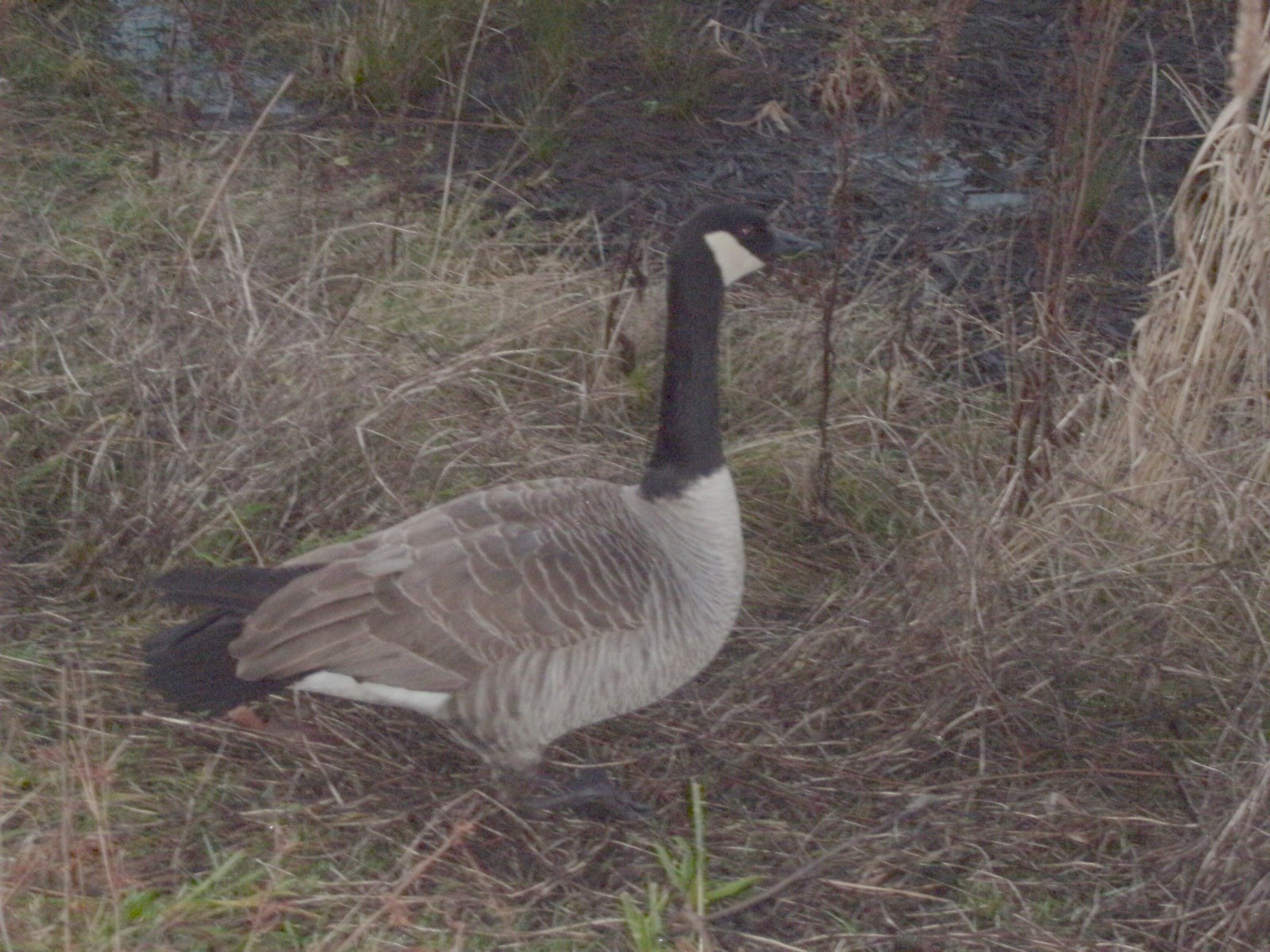
Canada Goose

Canada Goose

Posted in lists and diagrams